



UV Lash System Trends: 5 Predictions Shaping the Future of Lash Artistry

1. The Year of the UV Lash System

Every industry goes through inflection points. Moments where a new technology moves from curiosity to standard. For professional lashing, that moment is now.

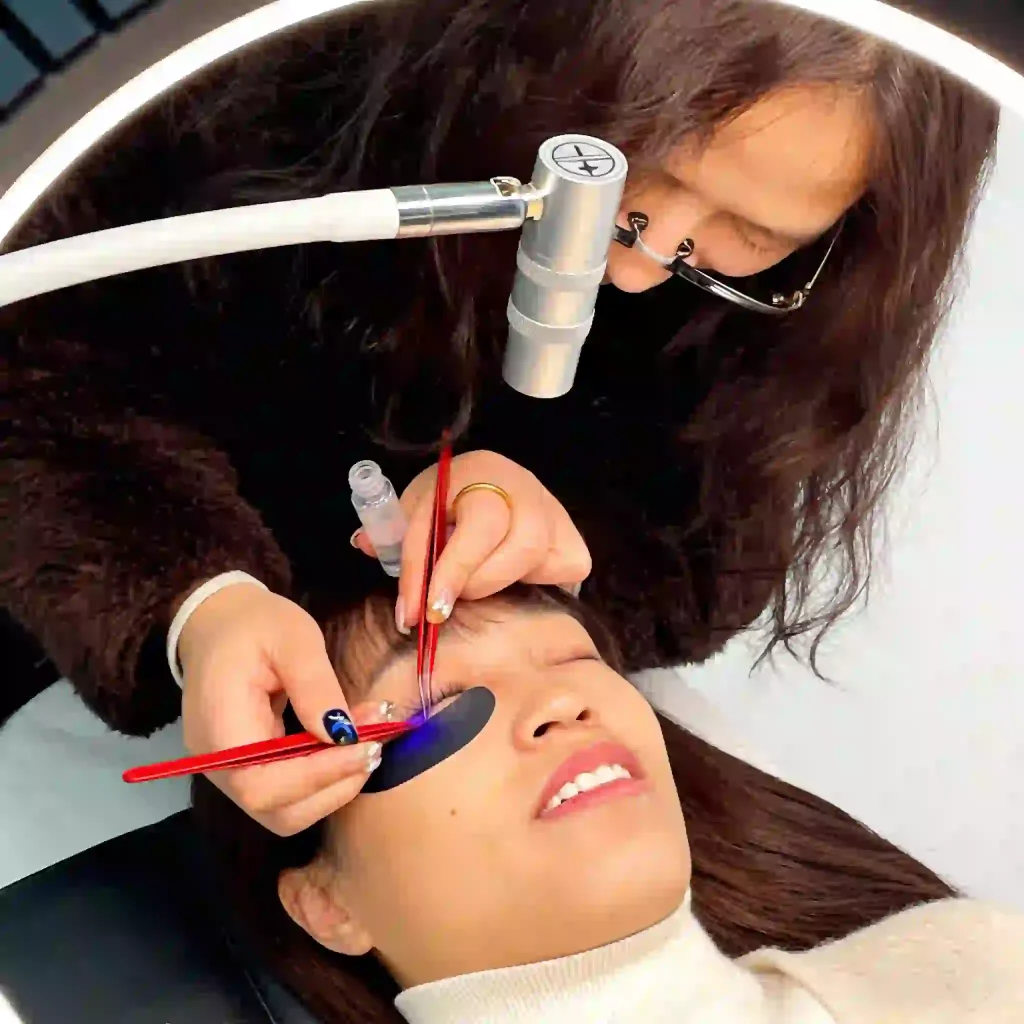
In 2024 and 2025, UV light-curing adhesives began entering conversations in eyelash salons across the country . By 2026, the conversation has shifted dramatically. What was once a niche technique is now one of the most talked-about innovations in professional lash artistry .

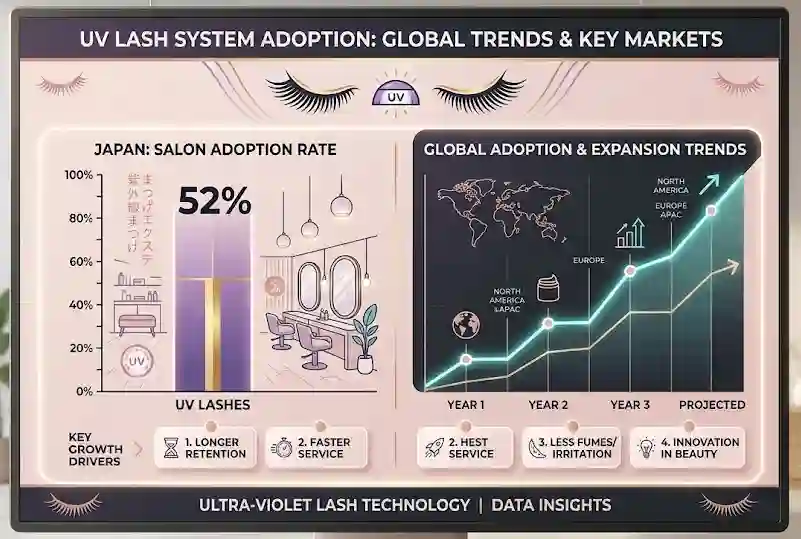
The adoption data tells a compelling story. In Japan—the birthplace of meticulous beauty techniques—over 52% of lash salons have already integrated LED technology into their menus as of April 2026. The keyword “LED” has skyrocketed to the #2 most searched term on Japan‘s largest salon booking platform, particularly among clients aged 30 to 50+ .

This massive wave is no longer contained within one country. It has officially gone global, rapidly expanding across Southeast Asia, Europe, and the United States .

But why now? And where is this trend heading?

This guide explores five key predictions for UV lash system adoption in 2026—and what they mean for salon owners, lash artists, and brands.

专业美睫灯套装

2. Trend 1: From “Novelty” to “Standard Tool”

The first major shift of 2026 is the maturation of UV lash technology.

Industry observers note that the market has moved decisively beyond the “hype phase.” As one report puts it: “The UV Gold Rush is over. Now comes the Optimization Phase” .

What does this mean in practice?

Early adopters have made their purchases. The novelty factor that drove initial sales in 2024-2025 has faded. Now, lash artists and salon owners are asking tougher questions—not just “Does it cure glue?” but:

  • “Why do I have to throw away a $60 tweezer just because the LED light dimmed?”

  • “Why does this tool feel so heavy after three hours of lashing?”

  • “Why is my station covered in tangled wires?” 

The market is now demanding tools that are modular, wireless, and ergonomic—not just functional. This shift represents a significant evolution in how professionals evaluate UV technology.

According to Locks Lash, a leading industry educator, “LED/UV-style curing systems will keep gaining traction because they promise speed, consistency, and better workflow. Expect more salons to use them and more brands to compete in this space” .

The implication is clear: UV lash systems are transitioning from a “nice-to-have” innovation to a competitive necessity in the professional lash market.

UV lash system trends

3. Trend 2: The Client-Driven Demand Surge

Perhaps the most significant trend of 2026 is that client demand is now driving salon adoption, not the other way around.

In Japan, where beauty trends often set the global pace, the numbers speak for themselves. “LED” has become the #2 most searched keyword across all adult demographics on Japan’s largest salon booking platform . Clients are actively searching for salons that offer LED lash services.

What are clients looking for?

Zero wait time. Traditional lash clients are told not to get their lashes wet for 24-48 hours. UV-cured extensions allow clients to shower, swim, wash their face, or hit the gym immediately after their appointment .

Better retention. LED technology extends the average lifespan of extensions by 1 to 2 weeks compared to traditional methods. Clients notice this difference—and they value it .

Reduced irritation. Instant-cure technology drastically minimizes the emission of cyanoacrylate fumes, reducing the risk of allergic reactions and irritation. This is a lifesaver for clients with sensitive eyes .

This client-driven demand creates a powerful business case for salons. As one industry analysis notes, “In 2026, clients are educated. They know what UV lashing is, and they desire it. They want the ‘Instant Cure,’ the ‘Immediate Shower,’ and the ‘Low Allergy’ benefits” .

Salons that offer UV systems are not just providing a service—they are giving clients exactly what they are actively seeking.

4. Trend 3: Faster Application, Better Workflow

The third major trend is the operational impact of UV systems on salon efficiency. This is where the technology delivers its most measurable ROI.

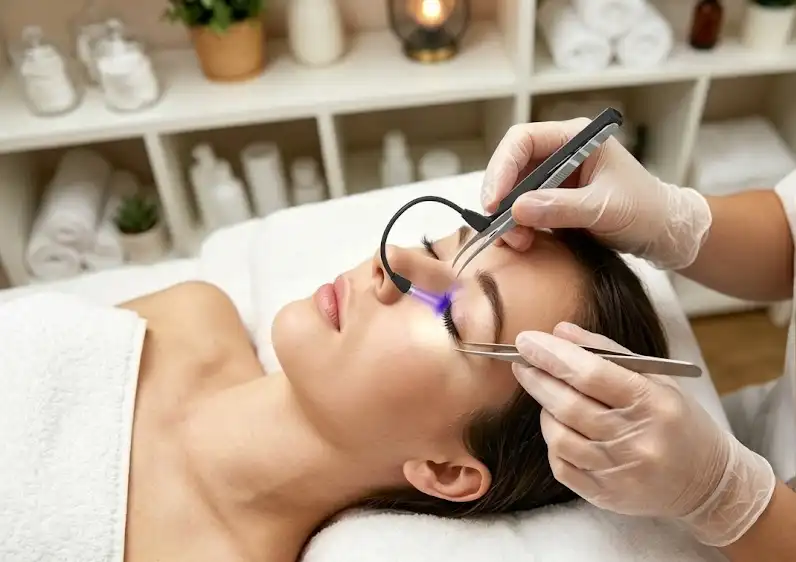
UV adhesive cures instantly—typically within 1 to 3 seconds . This eliminates the waiting time that slows down traditional lash application.

The workflow benefits are substantial:

镊子灯 美容行业
Operational MetricTraditional GlueUV System
Curing time5-30 seconds (humidity-dependent)1-3 seconds (on-demand)
Curing consistency可变Predictable
Humidity dependency
Client wait time (post-service)24-48 hoursImmediate
According to Lymee’s 2026 guide, UV systems remove the humidity variable entirely: “Because curing is controlled by light—not air—results become more predictable and stable” .

The business impact is significant. A salon that saves 15 minutes per client can fit an additional client into their schedule every single day. 【第7篇】Over a year, this translates to hundreds of additional appointments and significantly higher revenue .

For busy lash artists, the advantages stack up:

  • More clients per day

  • Less time per set

  • More consistent workflow 

5. Trend 4: The 395nm Wavelength Standard

As UV technology matures, the industry is moving toward a more precise technical standard. The 395nm wavelength is emerging as the new benchmark for UV lash adhesive curing.

Why does this matter?

Modern UV adhesives contain photo-initiators—light-sensitive molecules that remain dormant until exposed to the exact energy threshold they require. The 395nm wavelength is the ideal frequency for most high-end lash adhesives .

When your light source emits exactly 395nm, it triggers a rapid, controlled chain reaction. This reaction transforms liquid resin into a solid polymer lattice in a fraction of a second .

The practical benefits of this precision include:

  • Faster curing: Curing can occur in as little as 0.5 seconds

  • No heat generation: Concentrated beam means lower energy output with zero heat

  • Elimination of “stickies”: Collimated light keeps energy concentrated on the individual bond point, preventing stray light from curing adhesive on adjacent lashes 

According to a Seming technical guide, “By standardizing your equipment to this specific wavelength, you ensure consistent molecular stability every single time” .

As the industry moves toward greater precision, the 395nm standard is becoming a key differentiator between professional-grade systems and entry-level products.

6. Trend 5: The Global Expansion (Beyond Japan)

Japan‘s adoption of LED lash technology is not an isolated phenomenon. The data shows this trend is going global.

The adoption rate among Japanese professionals—over 52% of salons already using LED technology—is a strong indicator of where other markets are heading . As one source notes, “This massive wave is no longer contained within Japan. It has officially gone global, rapidly expanding across Southeast Asia, Europe, and the United States” .

What‘s driving this global expansion?

Scalability. UV systems are easier to teach, easier to audit, and easier to standardize across artists and locations. For chains and multi-location salons, this consistency is invaluable .

Supply chain development. More factories are specializing in UV lash lamps designed specifically for lash distances—not borrowed from other industries . This specialization drives down costs and improves quality.

Brand competition. As more brands enter the UV space, innovation accelerates and prices become more accessible. This creates a virtuous cycle of adoption.

For beauty brands and distributors, this global expansion creates new opportunities to introduce innovative products—from UV curing lash lamps to professional salon lighting solutions .

The question is no longer whether UV lash systems will become the standard. [第4篇】The question is when—and whether your salon or brand will be ready when the shift arrives.

7. 最终裁决

TrendKey Data PointImplication
UV as standard toolFrom “novelty” to “optimization phase”Competitive necessity
Client demand#2 searched keyword in JapanClients actively seeking UV salons
Workflow efficiency1-3 second cure, no humidity dependencyMore clients, higher revenue
Technical standard395nm wavelength emerging as benchmarkPrecision = professional quality
Global expansion52%+ adoption in Japan, spreading globallyGlobal standard within 2-3 years
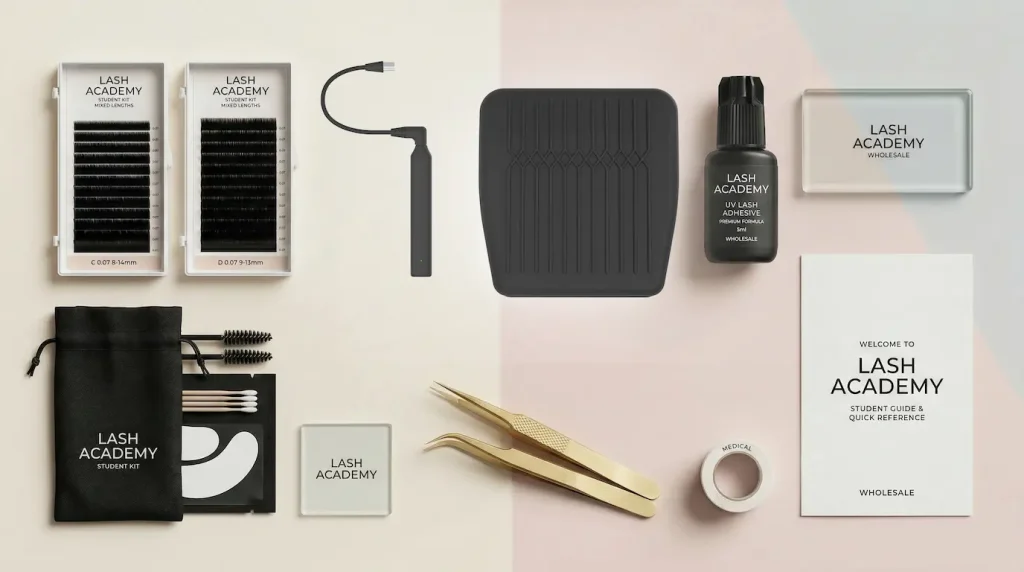
定制学生套装 批发UV美睫套装

UV lash systems in 2026 are no longer a niche technique. They are a practical response to the two biggest challenges in professional lash workflows: inconsistent curing and variable retention .

The five trends outlined in this guide point to a clear conclusion: UV lash technology is moving from “early adopter” to “industry standard” status. Salons that adopt it now gain a competitive advantage. Those that wait may find themselves playing catch-up.

The adoption data from Japan is the clearest leading indicator. Over 52% of salons have already made the switch—and that number is climbing . As one industry observer put it, “The risk isn’t in buying the machine. The risk is in waiting. While you hesitate, your competitor is already installing their UV lights, marketing ‘Instant Cure Lashes,’ and winning over your frustrated clients” .

Now is the time to evaluate how UV lash systems fit into your business—before the trend leaves you behind.

来自 Seminglight 的说明 – 我们生产专业级 紫外线睫毛灯 with 395nm wavelength precision, IEC 62471 safety certification, and modular designs for the evolving market. 探索我们的UV美睫系列联系我们 for wholesale pricing and OEM solutions.