









1. Introduction to Flickering in LED Lights
If you’ve ever settled into your workspace, flipped on your LED desk lamp, and noticed a faint yet persistent flicker in your vision, you’re not alone. Flickering in LED lighting—whether from a modern floor lamp, a stylish reading light, or a precision-focused task lamp—can be distracting, uncomfortable, and in some cases even harmful.
LED technology is designed for efficiency and long life, but it isn’t immune to performance hiccups. Flicker happens when the light output fluctuates rapidly, sometimes so fast it’s invisible to the naked eye yet still impacts comfort and concentration. While you might expect flicker from older incandescent bulbs, it can be surprising when it appears in your sleek, modern LED lamp.
For certain activities—like video shooting, reading, computer work, crafting, or beauty treatments—flicker-free light is critical. Even subtle fluctuations can cause video destroy, eye strain, headaches, or reduced task accuracy over time. Understanding why LED lights flicker, and how to address the root causes, ensures your lighting not only looks good but also performs consistently.
2. Common Causes of Flickering in LED Lights
While LED bulbs in ceiling fixtures often get the spotlight in flicker discussions, desk and floor lamps have their own set of potential culprits. These are the most common issues that can cause your LED lamp to flicker.
2.1. Dimming Mode Issues
One of the most overlooked causes of LED flicker is the dimming system built into the lamp. Many desk and floor lamps now feature adjustable brightness controls for added flexibility, but not all dimming methods are created equal.
Two main dimming technologies are used in LED lamps:
- PWM (Pulse Width Modulation): This rapidly turns the LED on and off at a high frequency to reduce perceived brightness. Poorly implemented PWM can cause visible flicker, especially at lower brightness levels.
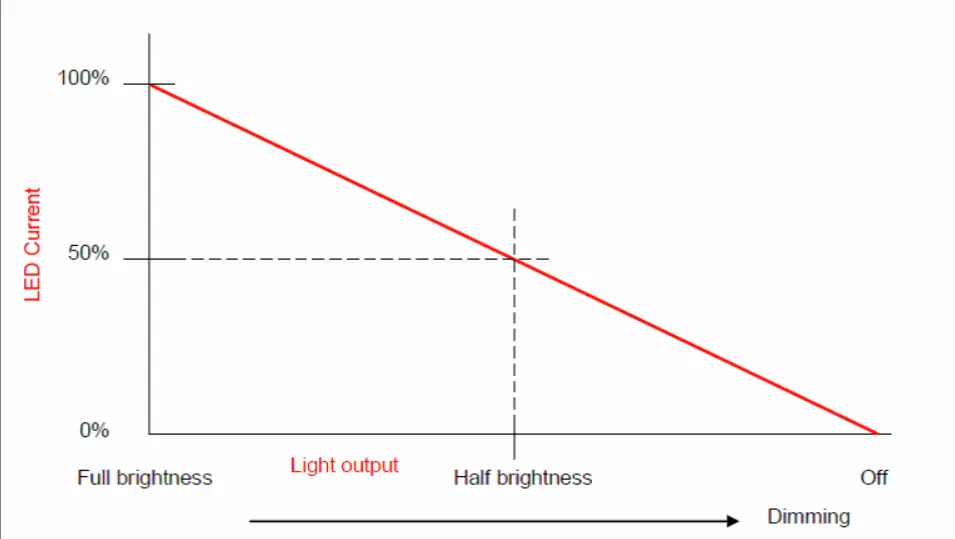
- Constant Current Dimming: This reduces the current flowing to the LED, providing smoother dimming with less risk of flicker.
- Constant Voltage Dimming: Constant voltage dimming directly regulates the input voltage of the LED driver circuit, typically using a variable resistor or digital potentiometer. Some applications may occur color drift. Also the dimming range is limited and may not be able to achieve very low brightness. And there is a high probability of experiencing flicker when at low brightness.
If your lamp uses PWM with a low refresh rate, the flicker may be noticeable on camera or during sensitive tasks, even if your eyes barely perceive it.
2.2. Power Supply Problems
The power supply—often referred to as the LED driver—plays a huge role in flicker performance. In our lightings, this may be built into the base or housed in an external adapter.
Low-quality or unstable drivers can cause inconsistent power delivery, resulting in flicker. Heat buildup, aging components, or subpar circuitry can all degrade performance over time.
The difference between built-in and external power supplies also matters:
- Built-in drivers keep the lamp design clean but may be harder to replace if they fail.
- External adapters are easier to swap but may be more prone to cable damage or loose connections.
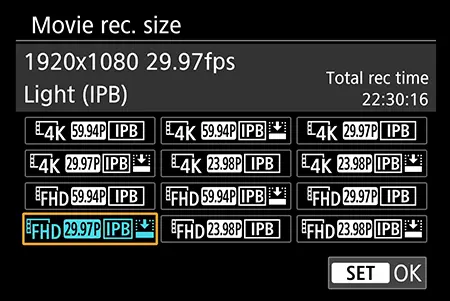
Someone may ask why there is flicking when taking video of lights. It also because of power supply. Normally the video Cameras capture images at a specific frame rate (e.g., 25fps, 30fps, 60fps), but the lighting usually powered by alternating current (AC), which fluctuates, causing the light to flicker on and off at a rate determined by the AC frequency (e.g., 50Hz or 60Hz). If the frequency didn’t match each other, then the flicker effect.
2.3. Incompatible Dimmers or Switches
If your lamp is connected to a wall dimmer or a smart plug with dimming capabilities, compatibility matters. LED lamps are engineered to work with specific dimming ranges and control methods. An incompatible dimmer can cause visible flicker, especially at lower settings.
2.4. Voltage Fluctuations
Even the most advanced LED lamp can flicker if the incoming voltage isn’t stable. Power surges, sudden drops, or interference from other devices can disrupt the steady current flow required for smooth illumination. This is more likely in older homes or when multiple high-power devices share the same circuit.
2.5. Wiring Issues
Loose wiring in the lamp’s plug, internal circuitry, or the wall outlet can cause intermittent power supply, leading to flicker. In portable lamps, cable wear from frequent movement can also be a factor.
3. The Role of Product Quality in Flicker Control
Not all LED lamps are created equal. The quality of components, the precision of engineering, and the reliability of manufacturing all influence how well a lamp resists flicker.
3.1. How Lamp Build Quality Affects Flicker Performance
High-quality lamps use stable LED drivers, tightly controlled dimming circuits, and robust internal wiring to maintain consistent light output. In contrast, budget lamps often cut corners, leading to higher flicker risk.
3.2. Importance of High-Quality LED Drivers and Components
The LED driver is the heart of the lamp’s power regulation system. A well-designed driver filters voltage fluctuations, supports smooth dimming, and ensures steady current delivery.
3.3. Why Choosing a Trusted Brand Matters
Established brands typically invest more in research, testing, and quality control. They also offer better after-sales support, making it easier to resolve issues like persistent flicker.

4. Troubleshooting Flickering in LED Lights
Before you consider replacing your lamp, run through a few quick checks.
4.1. Quick Checks Before Taking Further Action
- Test a different outlet: Rule out voltage instability from a specific socket.
- Reset dimming mode: Switch to maximum brightness to see if flicker persists.
- Inspect cables and connectors: Look for fraying, loose plugs, or bent pins.
4.2. Practical Solutions for Common Flicker Problems
- Upgrade the power supply: Replacing the LED driver or adapter with a higher-quality model can stabilize output.
- Adjust dimmer settings: Avoid operating at very low brightness if PWM flicker is an issue.
- Use compatible controls: Pair your lamp only with dimmers and switches designed for LED compatibility.
5. Conclusion and Further Tips
Flicker in LED lights is more than just a minor annoyance—it can impact your comfort, health, and productivity.
If you’ve tried the above troubleshooting steps and the issue persists, it may be time to consult a professional technician. Persistent flicker could indicate deeper electrical problems or an aging driver that needs replacement.
When upgrading, look for premium LED lamps with flicker-free certification. Seming’s lightings are engineered with stable drivers, high refresh rate dimming, and superior build quality to ensure smooth, comfortable illumination for all your activities.
Jim Jiang

Founder of Seming, Chief Product Designer with 20 years of experience. Specializing in customization, innovation and lighting solutions for photography lighting, beauty lighting and beauty tools, and more.