







The Complete Guide to Choosing the Perfect Eyelash Extension Light
In today’s fast-paced beauty industry, tools and technologies are constantly evolving. What was considered top-of-the-line last season might already be outdated. From skin treatments to hair care, nearly every beauty service has had some kind of high-tech upgrade — and the world of eyelash extensions is no exception.
One of the most important tools for lash artists, aside from their hands and skill, is a good eyelash extension light. It’s not just about being able to see the lashes clearly — the right lighting can improve precision, reduce strain on your eyes, and even enhance the overall client experience.
This guide walks you through everything you need to know before choosing your studio light, including the most important features, technical specifications, and practical tips for getting the most out of your lighting setup. Whether you’re a seasoned lash professional or just starting out, these insights will help you make an informed decision that supports your artistry and your business.
Why Good Lighting Matters in Lash Application
Lash extensions are an art form that demands absolute precision. A single misplaced lash or uneven bond can affect the entire look and longevity of the set. Adequate lighting ensures you can see the lash line clearly, separate natural lashes accurately, and avoid errors.
Poor lighting can cause:
- Eye strain and fatigue for the lash artist
- Increased risk of application mistakes
- Longer appointment times
- An inconsistent finish that may affect client satisfaction
On the other hand, investing in the right studio light can:
- Sharpen your visibility of fine lash details
- Create a comfortable environment for both you and your client
- Speed up your workflow
- Enhance your studio’s professional atmosphere
1. Brightness and CRI (Color Rendering Index)
What is CRI and why is it important?
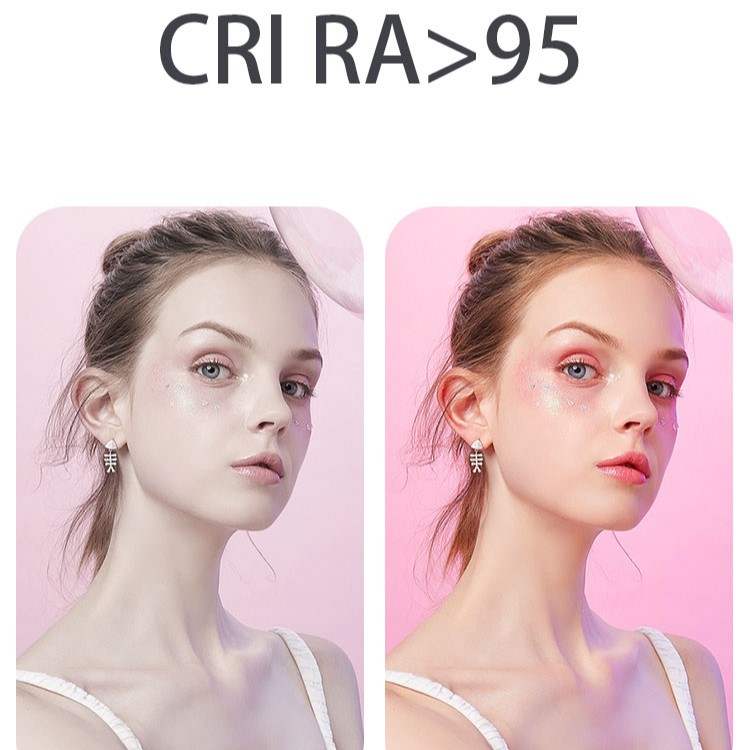
CRI measures how accurately a light source reveals colors compared to natural daylight. A CRI of 95+ is recommended for beauty work because it ensures true-to-life color representation. For lash artists, this helps you:
- Spot lash adhesive clearly
- Differentiate between lash thicknesses
- Avoid color mismatches with tinted lashes
How bright should your lash light be?
Brightness is usually measured in lumens. For lash work, after testing from lot of lash artists, we recommended the minimum of max lumens is 1000, but professional setups often go beyond 1500 lumens. The goal is to illuminate the lash line without creating harsh glare or shadows.
Pro tip: Choose lights with adjustable brightness so you can adapt to different clients, lighting conditions, and services.
2. Color Temperature Range
The color temperature of a light affects how warm or cool the light appears, measured in Kelvin (K).
- 2700K–3500K (Warm White): Creates a cozy, yellowish glow — pleasant for general ambiance but not ideal for detailed lash work.
- 4000K–5000K (Neutral White): Closest to natural daylight — perfect for lash artistry as it provides balanced visibility without color distortion.
- 5000K–6500K (Cool White): Bright, crisp light — great for precision tasks but can be harsh if used for long periods without breaks.
Best practice: Look for a lash light that offers adjustable color temperature. Switching between warm and cool tones can help reduce eye fatigue and adapt to different skin tones, making the service more comfortable for clients.
3. Size and Mounting Options
The best lighting setup depends on your studio space and work style.
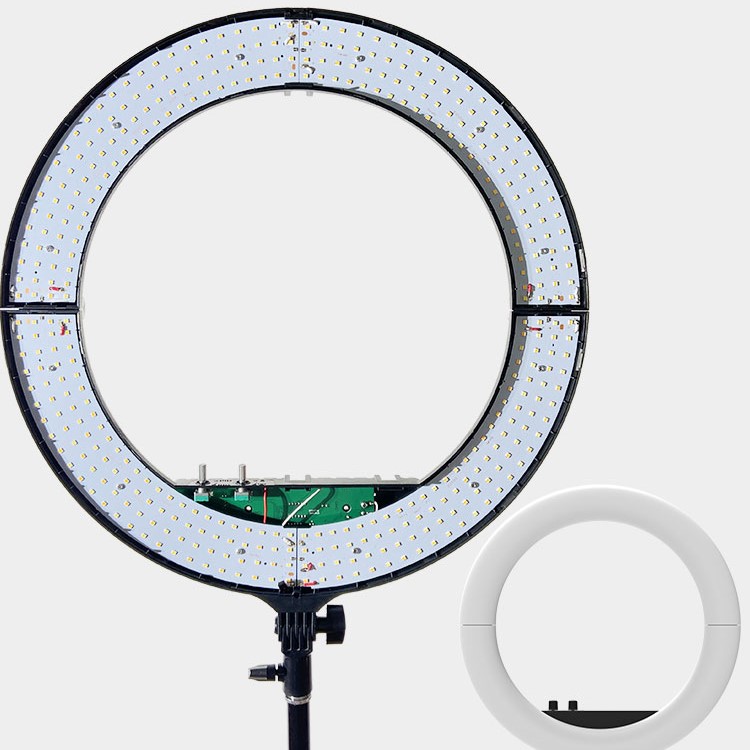
- Floor-Stand Lights: Versatile and stable, ideal for larger spaces. They can be adjusted in height and angle to suit different services.
- Clamp-On Lights: Space-saving option that attaches directly to your workstation. Great for mobile artists or smaller studios.
- Wall-Mounted Lights: Permanent fixtures that keep your work area clear and professional-looking.
Tip for mobile lash artists: A lightweight, foldable floor-stand light is easier to transport while still providing good stability.

4. Dimming and Control Features
Flicker-free dimming is essential for lash artists. A flickering light not only strains your eyes but can also distract you during application.
Look for features like:
- Step-less dimming: Smooth brightness control without sudden jumps.
- Remote control or knob control: Saves time during creating and prevents unnecessary contact with equipment.
5. Durability and Heat Management
LED lights are preferred in lash studios because they produce less heat and consume less energy. However, even LEDs can overheat if not designed well.
Choose lights with:
- Aluminum housing: Helps dissipate heat efficiently.
- Cooling vents or fans: Maintains safe operating temperatures during long sessions.
- Solid build quality: Ensures stability and reduces the risk of tipping over.
6. Energy Efficiency and Cost Considerations
While professional-grade lash lights can be an investment, they usually pay for themselves over time. Look for models with:
- Low wattage but high lumen output
- Energy-saving modes
- Long LED lifespan (50,000+ hours)
Not only does this lower your electricity costs, but it also means fewer bulb replacements — saving you money and reducing waste.
7. Portability for Mobile Lash Artists
If you offer in-home or on-location services, portability becomes just as important as performance.
A portable lash light should be:
- Lightweight (under 5kg if possible)
- Quick to set up and pack away
- Durable enough to withstand frequent transport
- Compatible with different power sources (AC adapter, USB, battery pack)
8. Health and Comfort Considerations
Lighting isn’t just about visibility — it also affects your health and your client’s comfort, no matter if it’s too bright or too dark.
For lash artists:
- Choose flicker-free LEDs to avoid headaches and eye strain.
- Adjust the angle of the light to prevent leaning forward too much, which can cause back and neck pain.
For clients:
- Avoid pointing the light directly into their eyes.
- Adjust brightness and color temperature to reduce glare on sensitive skin and eyes.
9. Additional Features Worth Considering
Some modern lash lights include extra features that can make your workflow smoother:
- Built-in magnification lenses for extreme precision
- USB charging ports for powering small devices
- Flexible gooseneck arms for easy positioning
- Modular design to add or remove accessories as needed

10. Maintenance and Longevity Tips
A well-maintained light will perform better and last longer. Here’s how to keep yours in top shape:
- Clean the lamp head and body regularly with a dry microfiber cloth.
- Check and tighten any adjustable joints or clamps.
- Store portable lights in padded carrying cases to avoid damage.
- Avoid overextending flexible arms to maintain stability.
Conclusion: Lighting as a Business Investment
Your studio light is more than just a lamp — it’s an investment in your work quality, health, and client satisfaction. The right choice will allow you to work faster, reduce mistakes, and provide a better experience for every client.
By considering factors like brightness, CRI, color temperature, mounting style, durability, and portability, you’ll be able to choose a light that suits your space and services perfectly.
In the beauty industry, details matter. With the right eyelash extension light, those details become clearer, your artistry shines brighter, and your clients leave with results they’ll love.
Jim Jiang

Founder of Seming, Chief Product Designer with 20 years of experience. Specializing in customization, innovation and lighting solutions for photography lighting, beauty lighting and beauty tools, and more.